Berapa Lama Ikan Akan Tetap Beku dalam Kotak Ikan Styrofoam
Ikan yang disimpan dalam kotak ikan styrofoam berkualiti dengan ais yang mencukupi lazimnya kekal beku selama 24 hingga 36 jam dalam keadaan ambien biasa, dengan masa pemeliharaan berlanjutan hingga 48 hingga 72 jam dalam cuaca lebih sejuk atau dengan nisbah ais yang lebih baik kepada ikan 2 hingga 3 paun ais bagi setiap paun ikan . Tempoh pemeliharaan sebenar bergantung pada asasnya pada kuantiti ais awal, keadaan suhu ambien, kualiti penebat kotak, dan kekerapan pembukaan kotak yang membolehkan udara sejuk keluar. . Kotak styrofoam yang dibungkus dengan betul dengan ketebalan penebat 2 inci dan litupan ais yang lengkap mencapai pemeliharaan optimum mengekalkan kualiti ikan dan keselamatan makanan sepanjang tempoh penyimpanan yang panjang . Kestabilan suhu terbukti kritikal untuk penyelenggaraan kualiti ikan, dengan suhu beku yang konsisten di bawah 32 darjah Fahrenheit mengekalkan tekstur dan rasa yang menghalang pertumbuhan bakteria dan kerosakan. Pembinaan Styrofoam menyediakan penebat yang mencukupi untuk perjalanan memancing biasa dan senario pengangkutan, walaupun reka bentuk sejuk premium yang menggabungkan plastik rotomolded memberikan ketahanan dan pengekalan suhu yang unggul. Penambahan ais secara tetap semasa tempoh penyimpanan lanjutan memanjangkan masa pemeliharaan selama-lamanya sehingga pencairan ais sepenuhnya berlaku.
Ciri-ciri Pembinaan dan Penebat Kotak Ikan Styrofoam
Memahami ciri-ciri styrofoam membolehkan pemilihan termaklum dan penggunaan yang betul memaksimumkan prestasi pemeliharaan.
Komposisi Bahan Styrofoam dan Sifat Terma
Buih polistirena yang diperkembangkan yang biasa dipanggil styrofoam menyediakan penebat yang luar biasa melalui struktur sel tertutup yang memerangkap udara yang menghalang pemindahan haba, dengan rintangan haba kira-kira 3.6 hingga 4.0 R nilai setiap inci ketebalan . Ketumpatan rendah bahan dan keupayaan penebat yang luar biasa membolehkan pembinaan ringan sambil mengekalkan pengekalan sejuk. Styrofoam tidak menyerap air tidak seperti beberapa bahan alternatif, mengekalkan keberkesanan penebat sepanjang keadaan penyimpanan basah.
Ketebalan Penebat dan Tempoh Pengekalan Sejuk
Kotak Styrofoam dengan penebat 1 inci mengekalkan suhu beku kira-kira 12 hingga 18 jam, manakala ketebalan 2 inci memanjangkan tempoh kepada 24 hingga 36 jam, dengan pembinaan 3 inci memelihara ais melalui tempoh 48 jam dalam suhu ambien sederhana . Peningkatan ketebalan progresif memberikan pulangan yang berkurangan pada sambungan pengekalan sejuk, dengan aplikasi praktikal biasanya menggunakan tempoh pemeliharaan mengimbangi pembinaan 2 inci dan berat kotak. Pertimbangan iklim serantau mempengaruhi pemilihan ketebalan optimum.
Ciri Reka Bentuk Kotak dan Pengoptimuman Prestasi
Kotak ikan berkualiti menggabungkan penutup ketat yang meminimumkan peredaran udara dan pertukaran haba, palam longkang yang membolehkan penyingkiran air cair mengekalkan sentuhan ais dengan ikan, dan reka bentuk dimensi yang memudahkan nisbah pembungkusan ais kepada ikan yang cekap . Tetulang sudut dan tepi menghalang penghancuran dan pemisahan penutup semasa pengangkutan. Kelancaran permukaan dalaman menghalang hakisan ais dan memanjangkan prestasi penyejukan.
Reka bentuk kotak terlindung yang pelbagai menangani senario memancing dan keperluan penyimpanan tertentu.
Kotak Ikan Styrofoam Tradisional dan Aplikasi Asas
Kotak ikan styrofoam klasik antara kapasiti 24 liter hingga 100 liter menyediakan simpanan ikan yang menjimatkan sesuai untuk perjalanan memancing seharian dan jumlah tangkapan sederhana, dengan harga dari $20 hingga $60 menjadikannya pelaburan boleh guna atau satu musim praktikal. . Pembinaan ringan membolehkan mudah alih dari bot ke kenderaan tanpa ketegangan yang berlebihan. Orientasi penggunaan tunggal memudahkan pengurusan kebersihan dan pelupusan selepas tamat musim.
Kotak Penyejuk Rotomold dan Pembinaan Premium
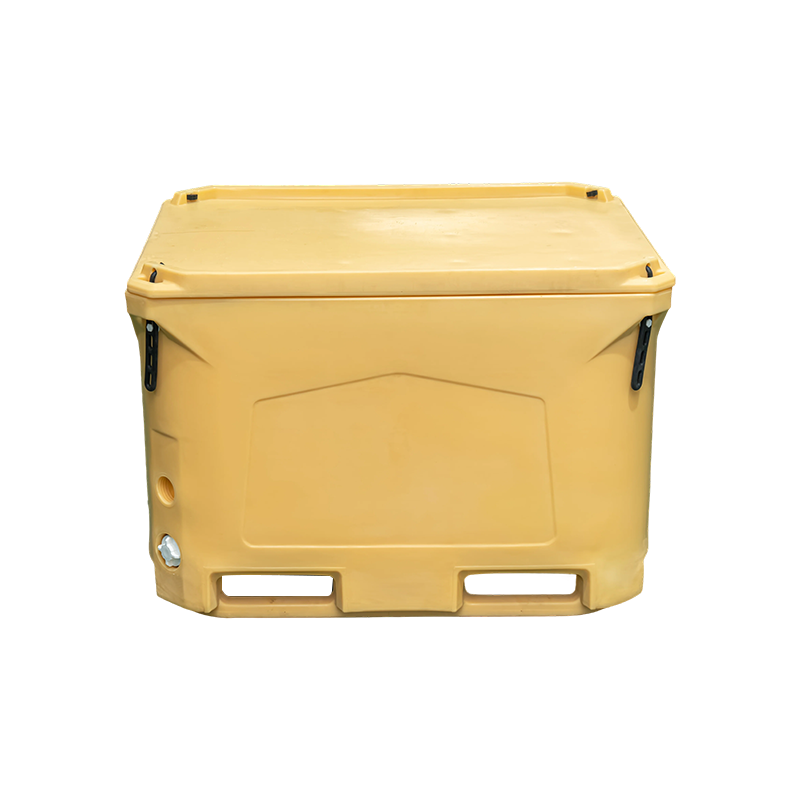
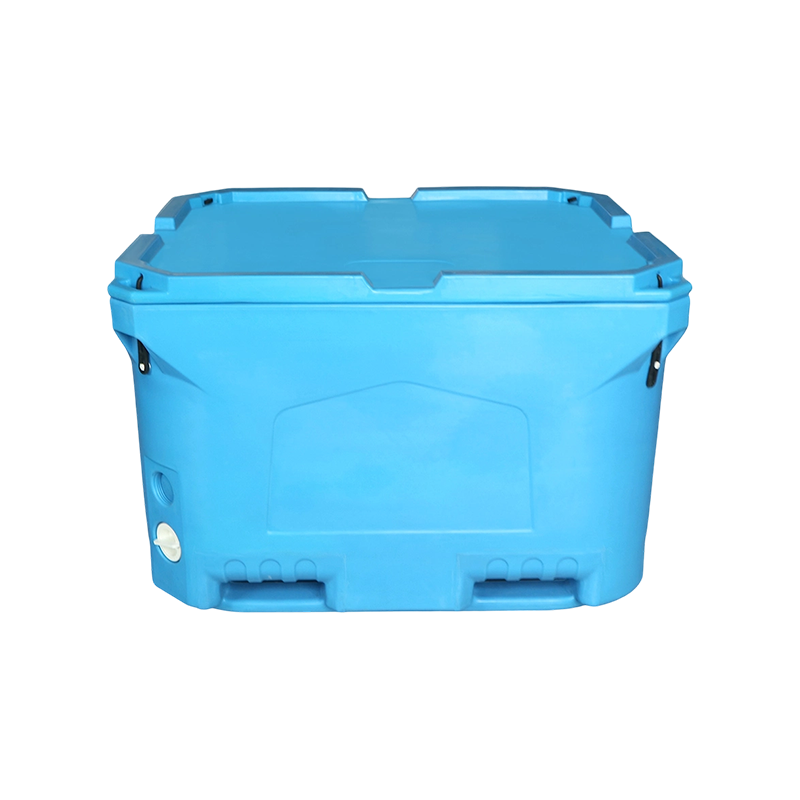
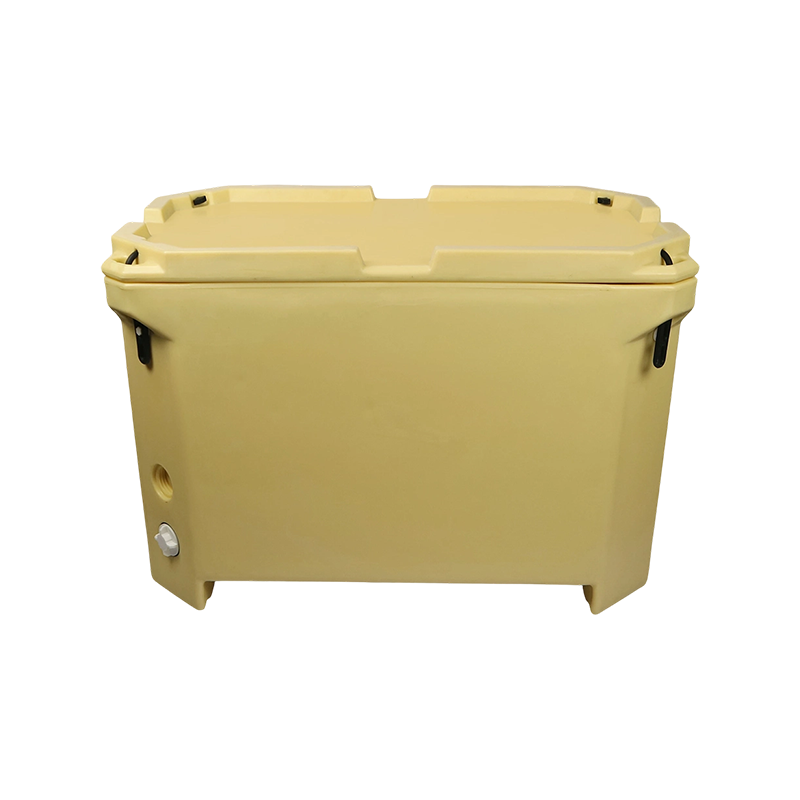
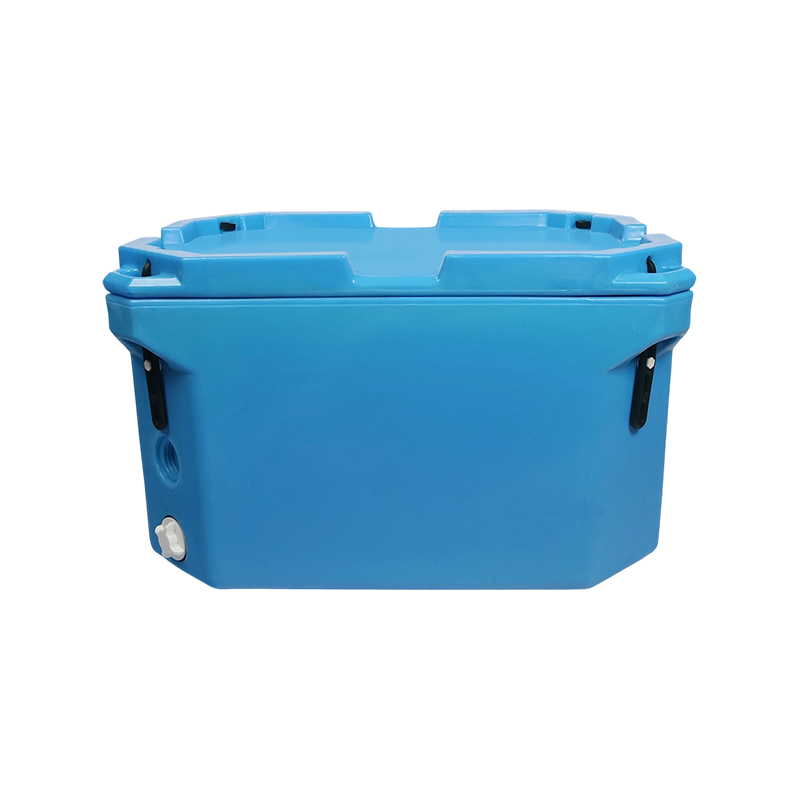
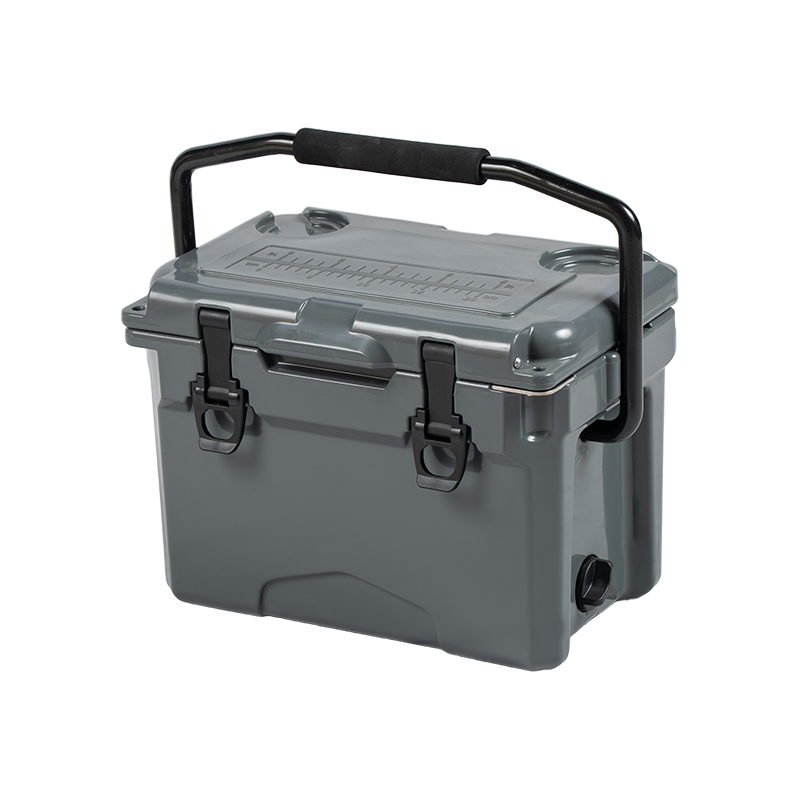
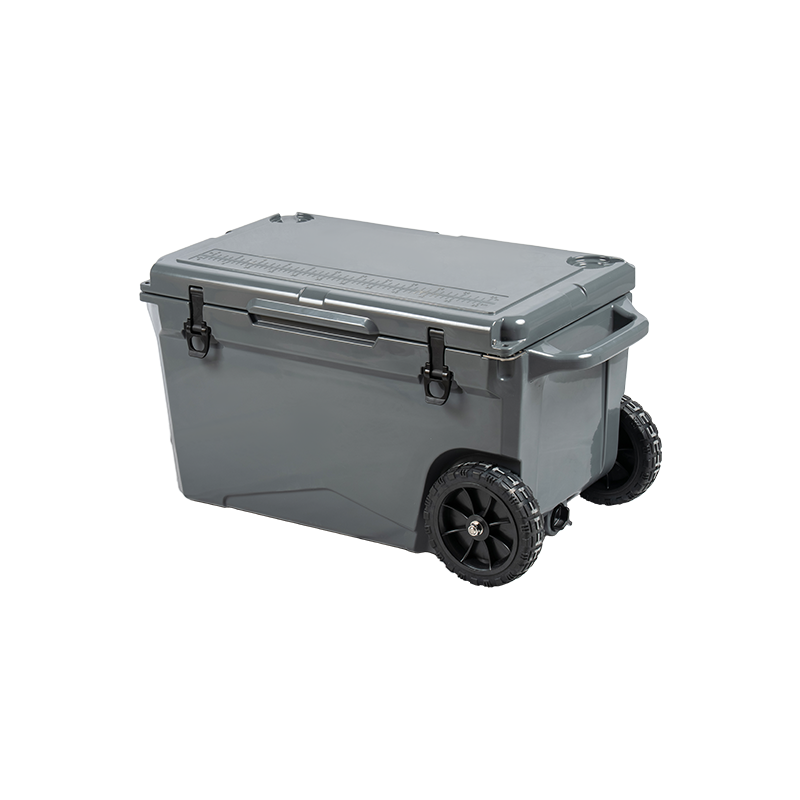
Maju kotak penyejuk plastik rotomolded dihasilkan melalui teknologi acuan putaran mencipta pembinaan lancar tanpa jahitan atau pengikat, memberikan ketahanan dan pengekalan suhu yang unggul berbanding alternatif styrofoam, dengan harga antara $100 hingga $400 mencerminkan pembinaan premium dan hayat perkhidmatan yang dilanjutkan . Pembinaan Rotomold menampung penyalahgunaan melampau dan pendedahan alam sekitar tanpa degradasi. Hayat perkhidmatan berbilang tahun menjadikan penyejuk premium menjimatkan walaupun pelaburan awal yang lebih tinggi.
Aplikasi Kotak Penyejuk Aiskrim Mudah Alih
Kotak penyejuk aiskrim khusus menggabungkan penebat tambahan dan reka bentuk terma yang mengoptimumkan pemeliharaan produk beku, dengan kestabilan suhu dikekalkan melalui teknologi penyejukan canggih yang membolehkan pemeliharaan ais krim dalam persekitaran suhu tinggi . Penebat yang lebih tebal dan mekanisme pengedap premium membolehkan prestasi unggul berbanding dengan penyejuk standard. Reka bentuk khusus mewajarkan harga premium untuk aplikasi kritikal suhu.
Tote Ikan Bertebat dan Aplikasi Pengangkutan Komersial
Bekas penyimpanan ikan khusus menangani keperluan komersial dan volum tinggi.
Pembinaan Tote Ikan dan Pemilihan Bahan
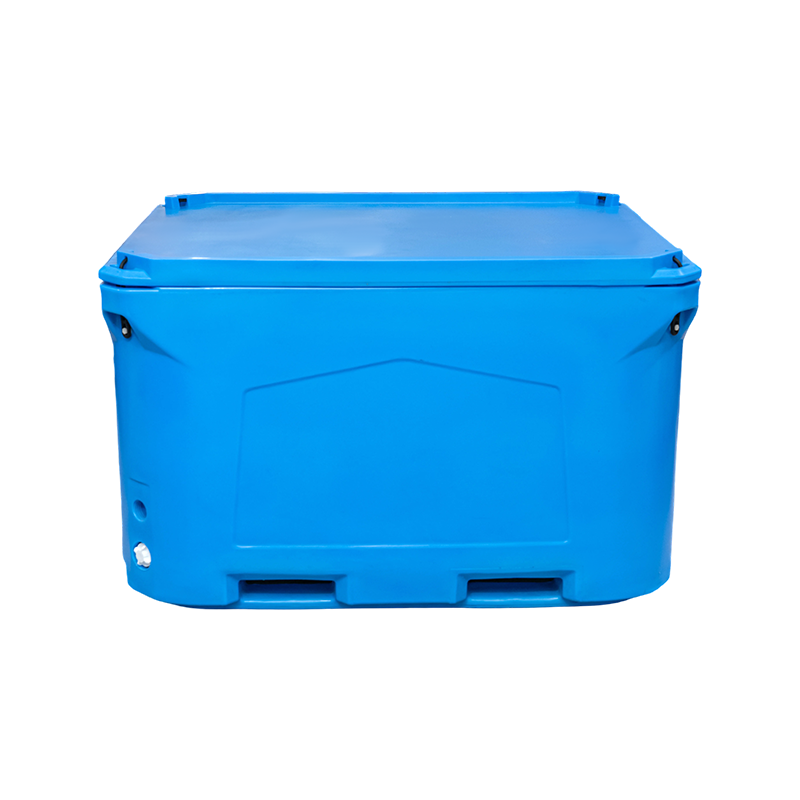
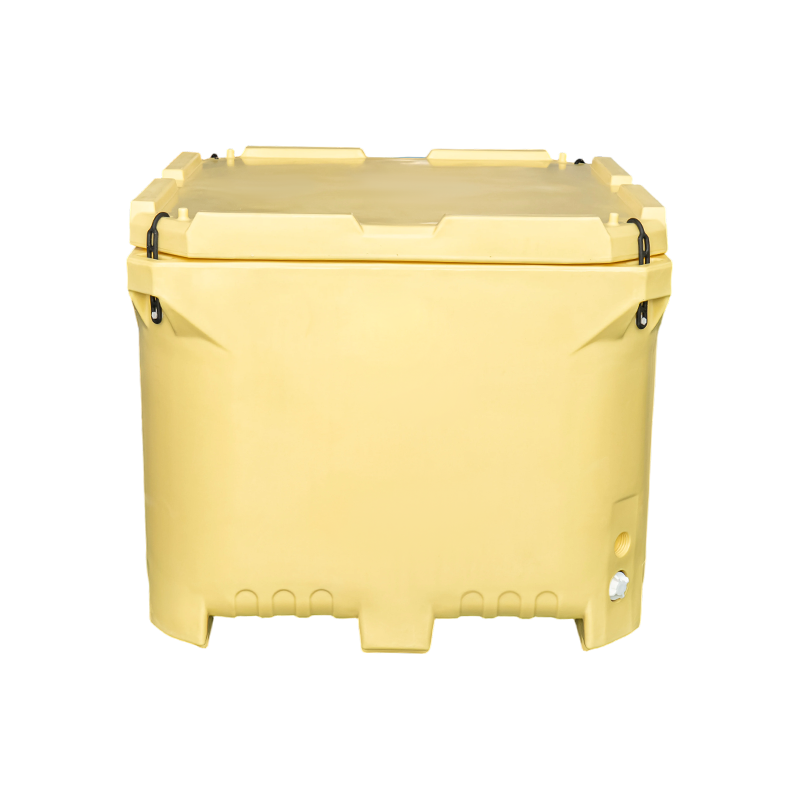
Tote ikan bertebat komersial yang dihasilkan daripada plastik atau styrofoam memuatkan 40 hingga 80 paun kuantiti ikan, dengan reka bentuk boleh bertindan membolehkan pengangkutan rantai sejuk yang cekap dari vesel penangkapan ikan melalui kemudahan pemprosesan . Dimensi standard sejajar dengan peralatan pengendalian komersial dan sistem pengangkutan yang disejukkan. Pembinaan tahan lama menahan pendedahan berulang dan pengendalian kasar sepanjang pemprosesan komersial.
Pemeliharaan Rantaian Sejuk dan Pemantauan Suhu
Tote ikan komersial yang digabungkan ke dalam sistem rantai sejuk bersepadu dengan pemantauan suhu dan jadual pemuatan terkawal mengekalkan kualiti ikan melalui keseluruhan urutan pemprosesan daripada tangkapan hingga penghantaran pengguna akhir . Peranti rakaman suhu mengesahkan kecukupan pemeliharaan dan mengenal pasti kekurangan pengendalian. Keperluan dokumentasi menyokong keperluan keselamatan makanan dan kebolehkesanan.
Kotak Ais untuk Pengoptimuman Penyimpanan Ikan dan Amalan Terbaik
Memaksimumkan pemeliharaan ikan memerlukan teknik pembungkusan dan prosedur penyelenggaraan yang betul.
Nisbah Ais kepada Ikan dan Kaedah Pembungkusan
Pemeliharaan optimum memerlukan nisbah ais kepada ikan sebanyak 2 hingga 3 paun ais setiap paun ikan, dengan teknik melapis ais dan ikan berselang-seli memastikan liputan ikan yang lengkap dan sentuhan ais secara langsung membolehkan pengurangan suhu yang cepat . Ais awal harus dihancurkan atau dicukur dan bukannya ketulan besar, membolehkan akur dengan kontur badan ikan dan memaksimumkan kawasan permukaan sentuhan. Penebat lengkap dalam lapisan ais melindungi ikan daripada pendedahan udara.
Pengurusan Suhu dan Penyelenggaraan Penyejukan
Ais awal harus ditambah pada suhu ambien atau lebih sejuk, dengan penggantian ais progresif apabila pencairan berlaku mengekalkan suhu beku berterusan sepanjang tempoh penyimpanan . Kotak ais prasejuk sebelum digunakan mengurangkan pencairan ais semasa penyamaan suhu awal. Elakkan pendedahan matahari secara langsung dan simpan kotak di kawasan berlorek apabila boleh.
Saliran Air dan Penyelenggaraan Kebersihan
Palam longkang mesti kekal boleh diakses untuk penyingkiran air cair yang menghalang pertumbuhan bakteria dan degradasi ais daripada pengumpulan air, dengan saliran berkala mengekalkan sentuhan ais kering dan mengoptimumkan keberkesanan pemeliharaan . Pembersihan dalaman yang kerap membuang sisa serpihan dan menghalang pengumpulan bau yang menjejaskan kitaran penyimpanan seterusnya.
Meja Simpanan Penyimpanan Kotak Ikan
Masa pemeliharaan ikan berdasarkan jenis kotak dan keadaan suhu ambien | Jenis Kotak | Ketebalan Penebat | Tempoh Sejuk (50 darjah F) | Tempoh Sejuk (70 darjah F) | Harga Biasa |
| Kotak Ikan Styrofoam | 1 inci | 18 hingga 24 jam | 12 hingga 18 jam | $20 hingga $35 |
| Kotak Ikan Styrofoam | 2 inci | 36 hingga 48 jam | 24 hingga 36 jam | $35 hingga $60 |
| Penyejuk Rotomold | 1.5 hingga 2 inci | 48 hingga 72 jam | 36 hingga 60 jam | $100 hingga $250 |
| Penyejuk Aiskrim Premium | 3 inci | 72 hingga 96 jam | 60 hingga 80 jam | $200 hingga $400 |
Kotak penyejuk mudah alih khusus menangani keperluan pengangkutan dan penyimpanan mudah alih berasaskan kenderaan.
Spesifikasi dan Dimensi Kapasiti 30 Kuat
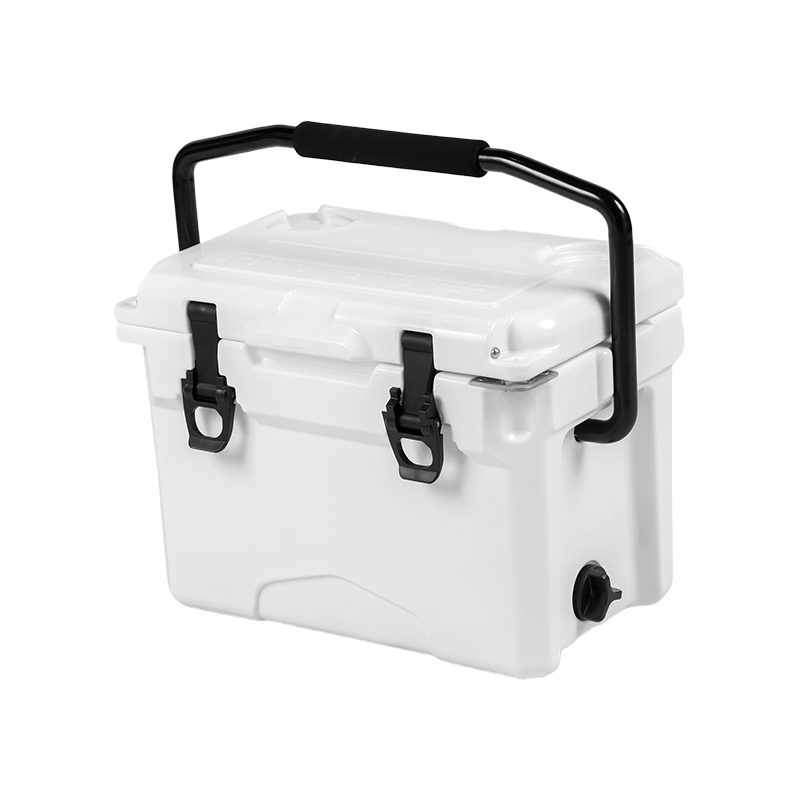
Kotak penyejuk rotomolded 30 liter memuatkan kira-kira 40 hingga 50 paun ikan ditambah ais, dengan dimensi padat kira-kira 24 inci panjang dengan 16 inci lebar dengan 12 inci ketinggian yang sesuai dengan lokasi pemasangan kenderaan dan meminimumkan penggunaan ruang dalaman . Pembinaan ringan walaupun ketahanan rotomolded membolehkan pengendalian satu orang. Pemegang dwi pembawa memudahkan pengangkutan dari kenderaan ke lokasi memancing.
Pemasangan Kereta dan Kedudukan Selamat
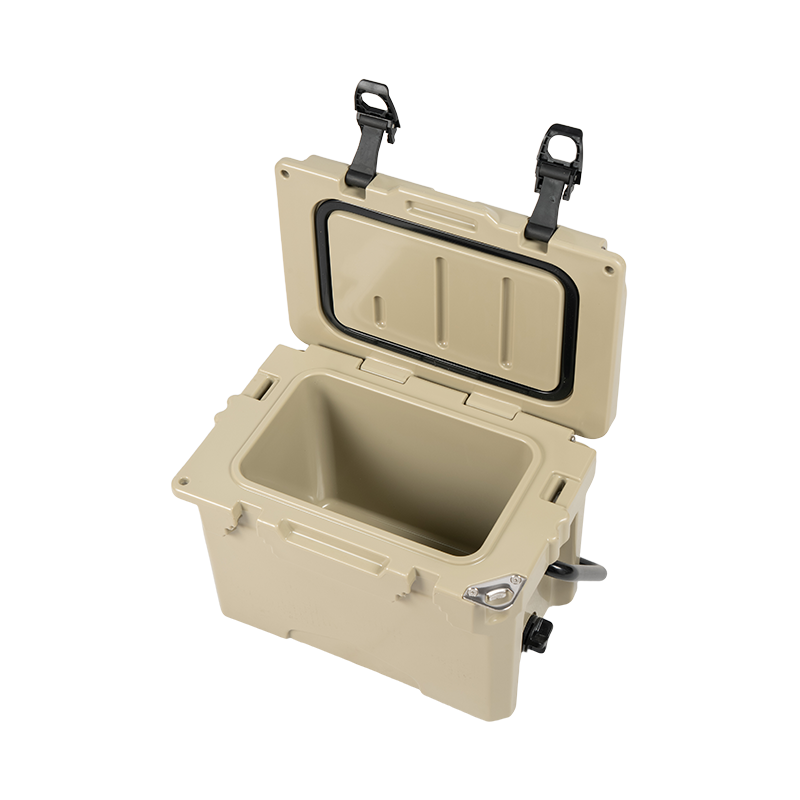
Kotak penyejuk Rotomolded direka bentuk untuk pemasangan kenderaan menggabungkan mata pengikat dan perkakasan pemasangan pilihan yang membolehkan kedudukan batang atau katil yang selamat menghalang peralihan semasa pecutan dan manuver brek . Pengedap gasket menghalang kebocoran air cair ais yang melindungi bahagian dalam kenderaan. Pemeriksaan biasa mengesahkan keselamatan pemasangan dan integriti perkakasan.
Prestasi Terma dan Keupayaan Pemeliharaan Lanjutan
Penyejuk rotomolded 30 liter premium dengan poliuretana 1.5 hingga 2 inci atau penebat polistirena yang diperluas mengekalkan suhu beku selama 48 hingga 72 jam dengan pembungkusan ais yang betul dan keadaan ambien di bawah 70 darjah Fahrenheit . Pembinaan unggul berbanding alternatif styrofoam mewajarkan penetapan harga premium melalui ketahanan dan kebolehpercayaan prestasi. Penggunaan pelbagai musim mengagihkan kos peralatan dengan baik.
Kotak simpanan haba premium mengoptimumkan pemeliharaan produk sensitif suhu yang memerlukan pengekalan sejuk yang berpanjangan.
Teknologi Penebat Termaju dan Kaedah Pembinaan
Kotak penyejuk aiskrim khusus menggunakan berbilang lapisan penebat termasuk buih poliuretana tegar, penghalang reflektif, dan ruang udara tertutup yang mencapai rintangan haba melebihi nilai 6 hingga 8 R setiap inci, dengan penyejuk standard setanding dua atau tiga kali ganda prestasi . Sistem pengedap gasket termaju meminimumkan penyusupan udara. Bahan premium dan teknik pembinaan mewajarkan kos yang lebih tinggi melalui prestasi unggul.
Kestabilan Suhu dan Pencegahan Turun Naik
Pembinaan tegar dan reka bentuk gasket lanjutan mengekalkan suhu dalaman yang konsisten dalam variasi tambah atau tolak 2 hingga 3 darjah Fahrenheit, dengan jisim haba daripada ais dan kandungan produk memberikan penimbalan suhu tambahan . Prestasi unggul berbanding penyejuk fleksibel membolehkan pemeliharaan ais krim yang boleh dipercayai dalam persekitaran suhu tinggi. Kualiti profesional sesuai dengan aplikasi komersial.
Variasi Saiz dan Reka Bentuk Khusus Aplikasi
Kotak penyejuk aiskrim berkisar antara kapasiti 20 hingga 100 liter yang menampung rekreasi peribadi melalui aplikasi perkhidmatan makanan komersial, dengan reka bentuk khusus termasuk longkang bercerun dan rak boleh tanggal yang mengoptimumkan organisasi dan kebolehcapaian produk . Pembinaan modular membolehkan susun dan sarang untuk penyimpanan yang cekap. Kepelbagaian saiz menampung keperluan operasi yang pelbagai.
Perbandingan dan Kriteria Pemilihan Bahan Peti Sejuk
Bahan yang berbeza menawarkan kelebihan yang berbeza untuk menangani keperluan aplikasi khusus dan keutamaan prestasi.
Kelebihan dan Had Styrofoam
Styrofoam menyediakan penebat ringan yang menjimatkan dengan pemeliharaan jangka pendek yang boleh diterima yang mencukupi untuk perjalanan sehari, walaupun ketahanan terhad dan kebimbangan alam sekitar mengenai pelupusan polistirena menyekat penggunaan jangka panjang . Keberkesanan kos menjadikan styrofoam sesuai untuk senario penggunaan semusim atau pakai buang. Kesedaran alam sekitar mengutamakan bahan alternatif untuk pemasangan kekal.
Faedah Pembinaan Plastik Rotomold
Plastik Rotomold memberikan ketahanan unggul, rintangan hentaman dan pengekalan suhu berbanding styrofoam, dengan pembinaan lancar menghalang titik pertumbuhan bakteria dan memudahkan penyelenggaraan dan sanitasi . Dilanjutkan hayat perkhidmatan 10 hingga 15 tahun mengagihkan kos peralatan dengan baik sepanjang tempoh pemilikan. Prestasi gred profesional sesuai dengan aplikasi komersial dan perindustrian yang menuntut.
Prestasi Harga dan Jumlah Kos Pemilikan
Walaupun penyejuk rotomolded berharga 3 hingga 5 kali ganda pada mulanya daripada alternatif styrofoam, hayat perkhidmatan yang dilanjutkan dan operasi bebas penyelenggaraan memberikan jumlah kos pemilikan yang unggul untuk pengguna kerap atau profesional . Pengguna rekreasi sekali-sekala mendapati styrofoam secara ekonomi optimum. Kekerapan aplikasi dan tempoh penggunaan yang dimaksudkan panduan pemilihan bahan.
Soalan Lazim Mengenai Penyimpanan Ikan dan Kotak Penyejuk
Bagaimanakah saya boleh melanjutkan masa pemeliharaan ikan melebihi had standard?
Memperluaskan pemeliharaan memerlukan memaksimumkan nisbah ais kepada ikan kepada 3 hingga 4 paun ais setiap paun ikan, mengekalkan lokasi berlorek meminimumkan pendedahan haba, menggantikan ais cair secara berkala dengan ais segar dan meminimumkan pembukaan kotak menghalang kehilangan udara sejuk . Kotak pra penyejukan dan ikan sebelum pembungkusan mempercepatkan pengurangan suhu. Pengasingan daripada cahaya matahari langsung membuktikan peningkatan pemeliharaan yang paling berkesan.
Adakah styrofoam atau rotomolded lebih baik untuk perjalanan memancing?
Kotak Styrofoam terbukti mencukupi untuk perjalanan sehari dengan volum tangkapan sederhana dan harga yang menjimatkan, manakala penyejuk rotomolded menawarkan prestasi unggul untuk perjalanan lanjutan, usaha memancing berbilang hari dan aplikasi profesional yang menuntut . Kekangan belanjawan dan kekerapan perjalanan membimbing pemilihan optimum. Nelayan rekreasi sekali-sekala selalunya lebih suka ekonomi styrofoam.
Berapa banyak ais yang saya perlukan untuk pengawetan ikan yang mencukupi?
Panduan standard mengesyorkan 2 hingga 3 paun ais bagi setiap paun ikan, dengan nisbah yang lebih tinggi menyediakan pemeliharaan yang lebih baik dan tempoh lanjutan melalui penyejukan berterusan apabila ais awal mencair secara beransur-ansur . Ais yang dihancurkan atau dicukur memberikan permukaan sentuhan yang unggul berbanding ketulan besar. Pra penyejukan awal mengurangkan penggunaan ais.
Bolehkah saya menggunakan semula kotak ikan styrofoam beberapa kali?
Walaupun kotak styrofoam secara teknikal boleh digunakan semula beberapa kali, kemerosotan struktur dan kerosakan bahan sering berlaku dalam tempoh 2 hingga 3 musim dari pemampatan, pendedahan UV dan kitaran pencairan beku. . Penyelenggaraan kebersihan dan pengendalian berhati-hati memanjangkan hayat boleh guna. Pengguna profesional biasanya lebih suka alternatif rotomolded untuk perkhidmatan berbilang tahun.
Apakah suhu yang diperlukan ikan untuk penyimpanan yang selamat?
Ikan mesti mengekalkan suhu di bawah 32 darjah Fahrenheit untuk pemeliharaan yang selamat menghalang pertumbuhan bakteria dan kerosakan, dengan suhu ideal antara 25 dan 32 darjah Fahrenheit mengoptimumkan kualiti dan keselamatan makanan . Pembekuan berterusan terbukti penting untuk penyimpanan lanjutan. Turun naik suhu meningkatkan risiko kerosakan dan mengurangkan jangka hayat.
Berapa kerapkah saya perlu mengalirkan air ais cair dari kotak yang lebih sejuk?
Palam longkang hendaklah diperiksa dan dikosongkan setiap 4 hingga 6 jam semasa penyimpanan aktif untuk mengelakkan pengumpulan air merendahkan kualiti ais dan menggalakkan pertumbuhan bakteria dalam air cair berdiri . Saliran tetap mengekalkan sentuhan ais kering dan mengoptimumkan keberkesanan pemeliharaan. Saliran yang diabaikan mempercepatkan pencairan ais.
Adakah terdapat alternatif kepada ais untuk pemeliharaan ikan?
Pek ais yang boleh diguna semula dan unsur penyejukan berasaskan gel memberikan alternatif kepada ais tradisional, walaupun ia biasanya memberikan jisim haba dan tempoh penyejukan yang lebih rendah berbanding dengan ais yang dihancurkan atau disekat untuk pemeliharaan berpanjangan . Pendekatan gabungan menggunakan kedua-dua pek ais dan gel mengoptimumkan tempoh penyejukan. Ais tradisional kekal paling berkesan untuk aplikasi memancing yang serius.
Apakah saiz kotak penyejuk yang saya perlukan untuk perjalanan memancing biasa?
Perjalanan memancing rekreasi biasanya memerlukan kotak berkapasiti 50 hingga 70 liter yang memuatkan volum tangkapan 50 hingga 100 paun dengan nisbah ais yang mencukupi, manakala penangkapan ikan sewa dan operasi komersial memerlukan kapasiti 100 liter atau lebih besar . Kotak bersaiz besar terbukti membazir menggunakan lebihan ais dengan tangkapan sederhana. Saiz yang betul mengimbangi keupayaan pemeliharaan dengan mudah alih praktikal.
Bagaimanakah penyejuk rotomolded berfungsi dalam haba melampau?
Penyejuk rotomolded berkualiti mengekalkan suhu beku selama 48 hingga 72 jam walaupun dalam persekitaran suhu tinggi melebihi 90 darjah Fahrenheit apabila dibungkus dengan betul dengan ais yang mencukupi dan dikekalkan di lokasi berlorek . Penebat unggul berbanding alternatif styrofoam mewajarkan penetapan harga premium untuk keadaan yang mencabar. Pendedahan langsung matahari mengurangkan dengan ketara tempoh pemeliharaan.
Bolehkah saya menggunakan kotak penyejuk ikan untuk aplikasi lain?
Kotak penyejuk yang direka untuk penyimpanan ikan menampung pelbagai aplikasi termasuk pengawetan makanan perkhemahan, penyejukan minuman, dan pengangkutan sampel perubatan yang memerlukan suhu sejuk yang konsisten dan reka bentuk tertutup yang menghalang pencemaran . Fungsi serba boleh menyokong pelbagai aplikasi rekreasi dan profesional. Pembersihan yang betul memastikan keselamatan makanan merentasi kegunaan yang berbeza.


 BAHASA


 6, Jalan Guantong, Zon Selatan, Taman Perindustrian Bandar Xiaocaoe, Ningbo, Zhejiang, China

 (+86) 186 6855 6876